



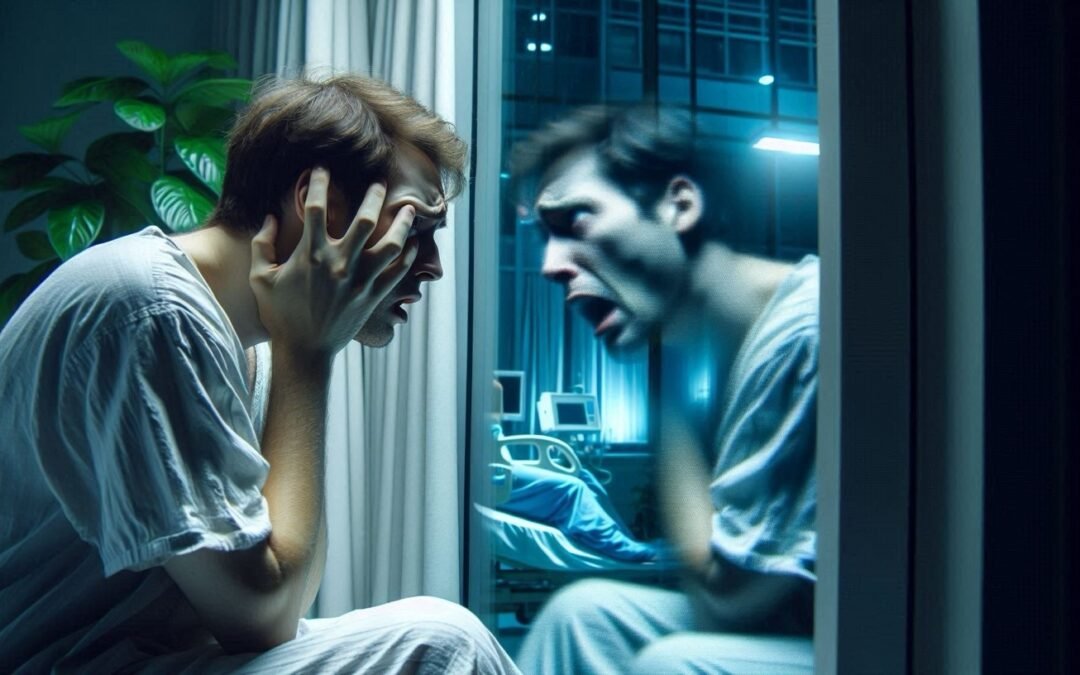
Neuropsychiatric disorders encompass a wide range of mental health issues that can significantly impact an individual’s quality of life. Our clinic takes a comprehensive approach, integrating spiritual healing, modern medicine, and herbal remedies to address these complex conditions¹²³.
## Understanding Neuropsychiatric Disorders
Neuropsychiatric disorders include conditions such as depression, anxiety, schizophrenia, and bipolar disorder. These illnesses can be debilitating, affecting mood, thought processes, and behavior¹. Modern medicine offers various treatments, including medications and psychotherapy, to manage symptoms and improve function².
## The Role of Spiritual Healing
Spiritual healing is an essential component of our integrated approach. It involves practices that support the inner well-being of patients, such as meditation, prayer, and mindfulness. These practices can provide comfort and foster resilience, complementing medical treatments³.
## Herbal Medicine in Neuropsychiatric Care
Herbal medicine has been recognized for its potential in treating psychiatric disorders. Herbs like St. John’s wort and saffron have shown promise in managing depression, while kava and passionflower may help with anxiety disorders¹. These natural remedies can be part of a broader treatment plan¹.
## Our Clinic’s Integrated Approach
We believe in treating the whole person, not just the symptoms. Our clinic’s approach combines the latest in medical treatments with spiritual practices and herbal remedies, tailored to each patient’s needs. This holistic strategy aims to optimize mental health and overall well-being¹²³.
## Conclusion
Our clinic’s integrated approach to neuropsychiatric disorders offers a unique and compassionate path to healing. By combining modern medicine, spiritual care, and herbal remedies, we provide a supportive environment for recovery and long-term health.
For more information on our services and to schedule a consultation, please contact our clinic.
This article is for informational purposes only and is not a substitute for professional medical advice, diagnosis, or treatment. Always seek the advice of our physician or other qualified health providers with any questions you may have regarding a medical condition.