



Hepatitis consultation & follow up
Accurate Diagnosis and Assessment:
* Consultation allows for proper diagnosis of the specific type and stage of hepatitis (viral, autoimmune, alcoholic, etc.) through medical history, physical examination, and specialized blood tests and imaging.
* This accurate assessment is crucial for determining the appropriate treatment strategy.
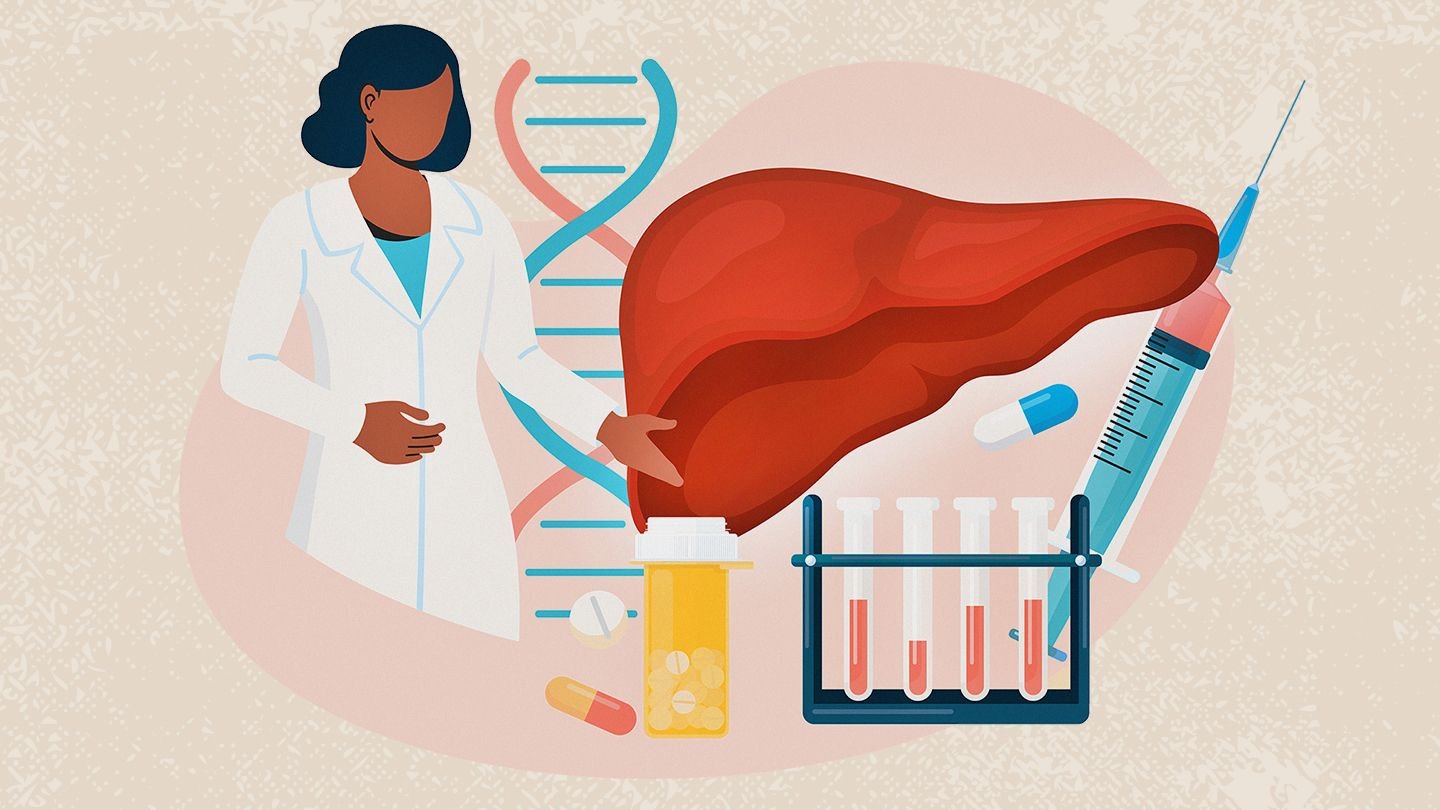
* Based on the diagnosis, a healthcare professional can develop an individualized treatment plan, which may include antiviral medications for viral hepatitis, lifestyle modifications for fatty liver disease, or immunosuppressants for autoimmune hepatitis.
* Regular follow-up allows for monitoring treatment effectiveness and making necessary adjustments.
Monitoring Liver Health and Disease Progression:
* Follow-up appointments involve regular blood tests to monitor liver enzyme levels, viral load (in viral hepatitis), and overall liver function.
* This helps track disease progression, detect potential complications like cirrhosis or liver cancer early, and adjust treatment accordingly.
Preventing Transmission (in infectious hepatitis):
* Consultation provides essential education on how to prevent the spread of infectious forms of hepatitis (A, B, C, D, E) through vaccination, hygiene practices, and safe sexual behaviors.
* Follow-up can help monitor household contacts and offer preventative measures.
Managing Symptoms and Improving Quality of Life:
* Healthcare professionals can provide guidance on managing symptoms associated with hepatitis, such as fatigue, jaundice, and abdominal discomfort.
* Effective management improves the patient’s quality of life and overall well-being.
Education and Support:
* Consultations offer a platform for patients and their families to learn about hepatitis, understand their treatment options, and receive emotional support.
* This empowers patients to actively participate in their care and make informed decisions.
In summary, consistent hepatitis consultation and follow-up are vital for accurate diagnosis, personalized treatment, ongoing monitoring, prevention of transmission, management of symptoms, and ultimately, for improving patient outcomes and preventing severe liver disease.